October 19, 2026
Leading Teams & Managing Up
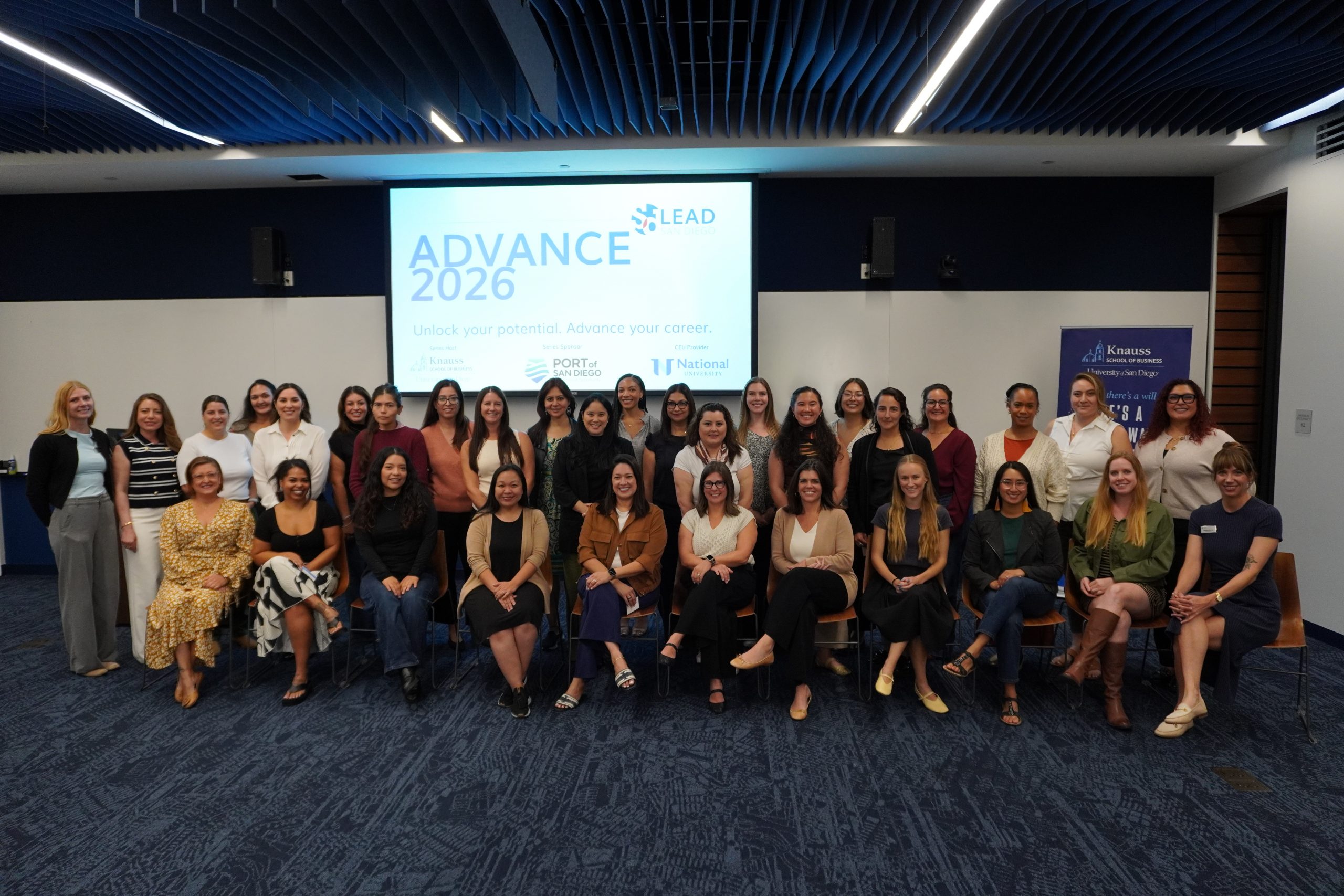
Session 5 of Advance was a great reminder that even in a management role, you can still be authentically yourself in the workplace, finding the strategies that work to manage the team below you, and the boss above you.
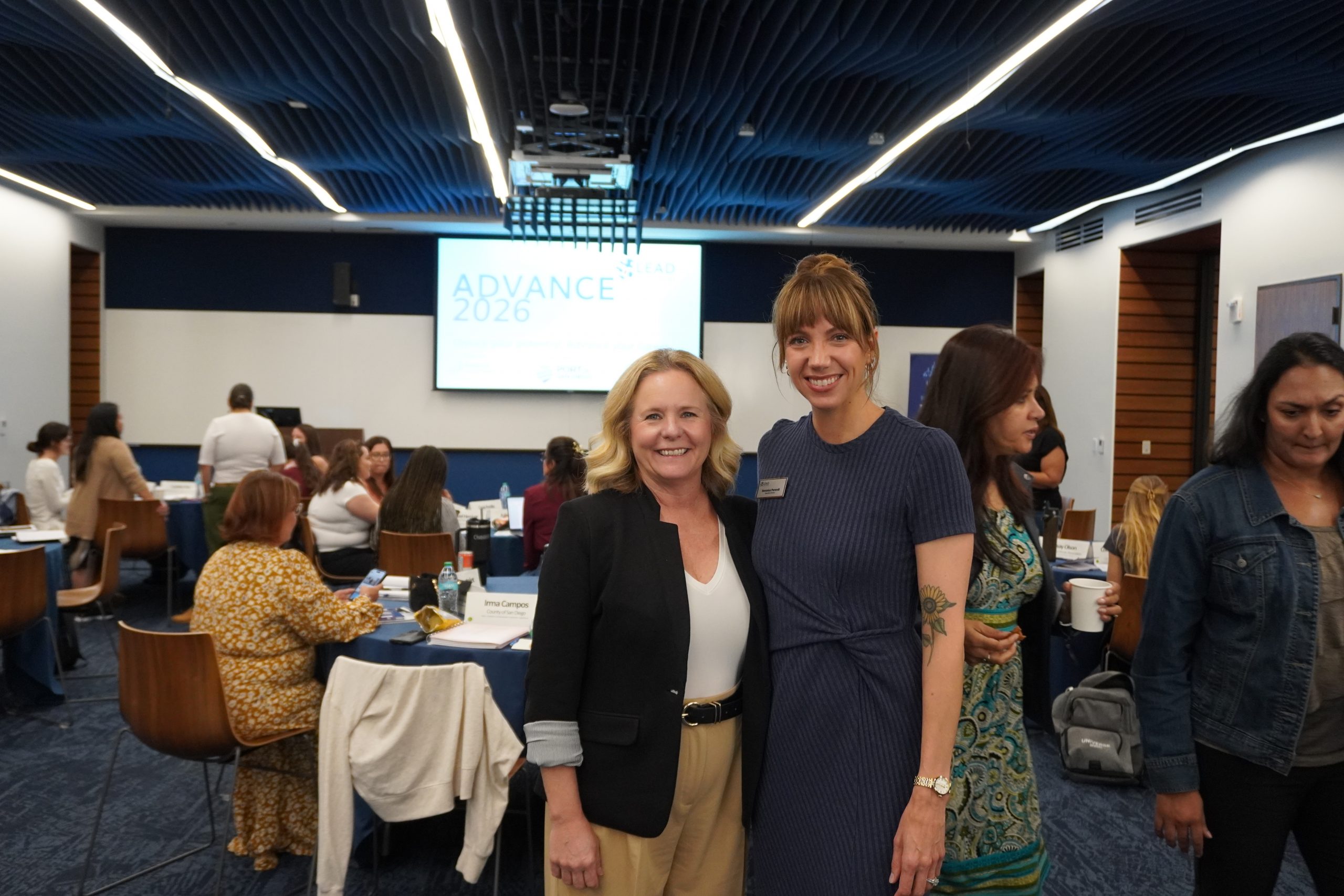
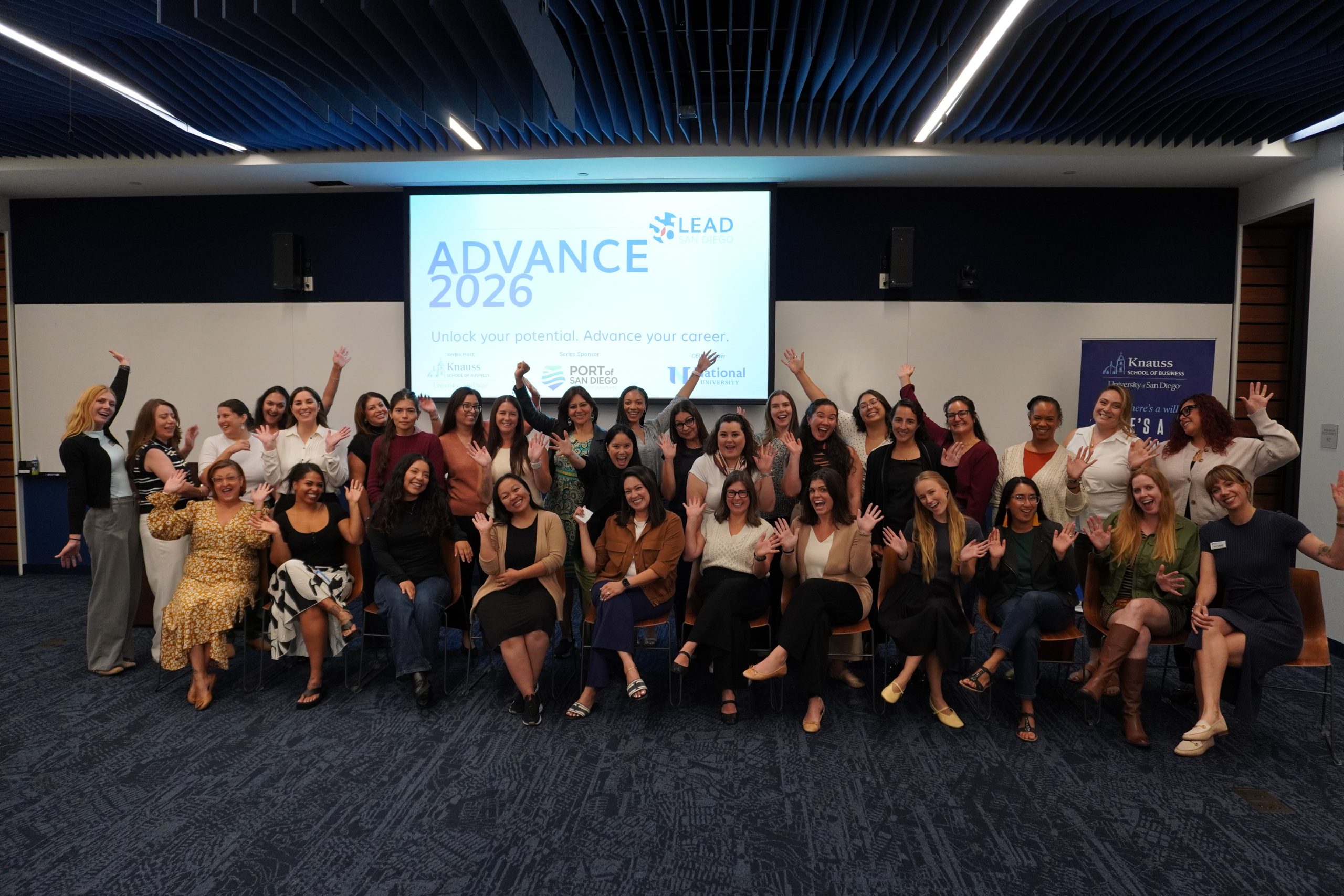
The Advance program is hosted at the University of San Diego’s Knauss School of Business, and we’re extremely grateful to our partners, National University and the Port of San Diego, for their support of women leaders and the Advance program.
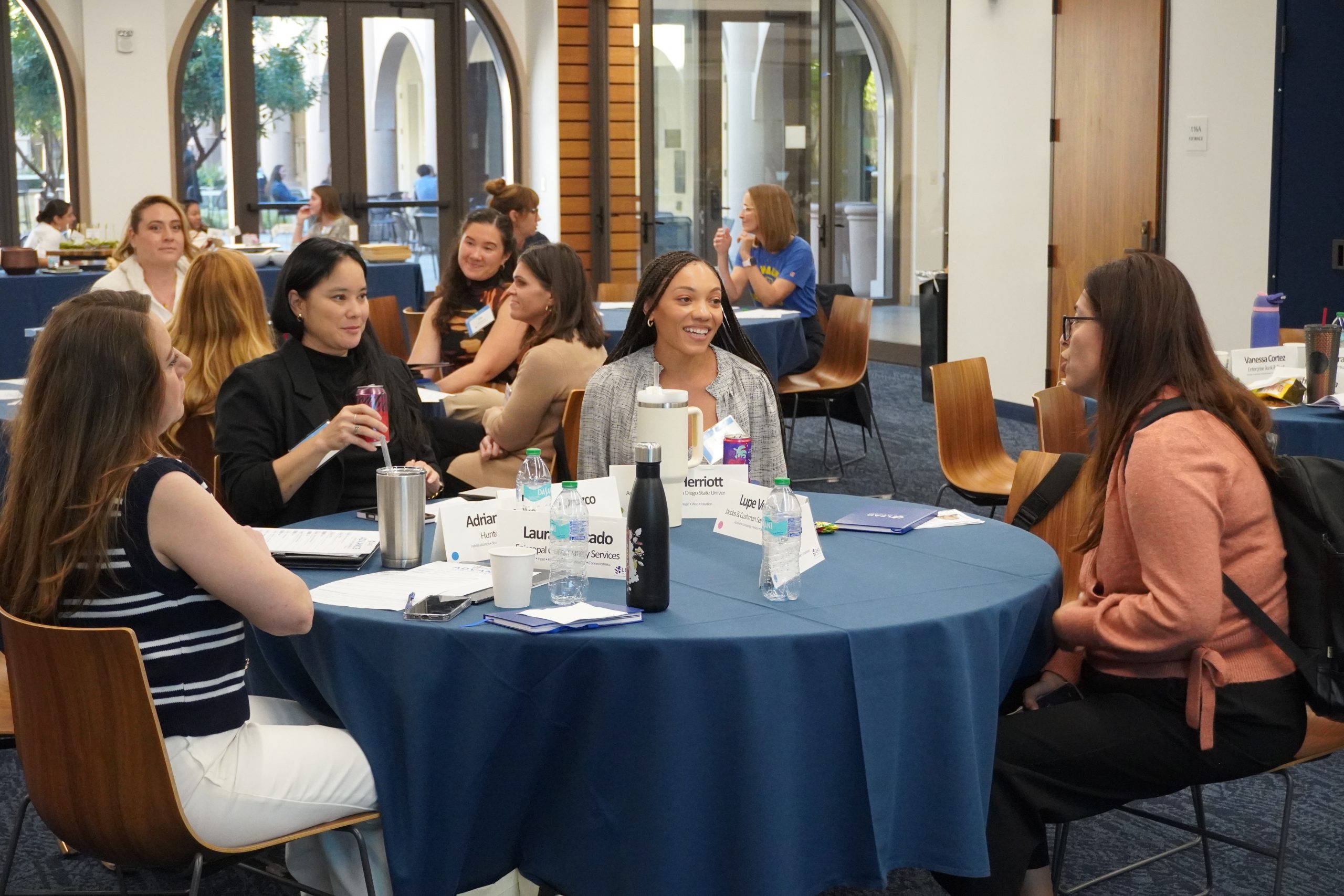
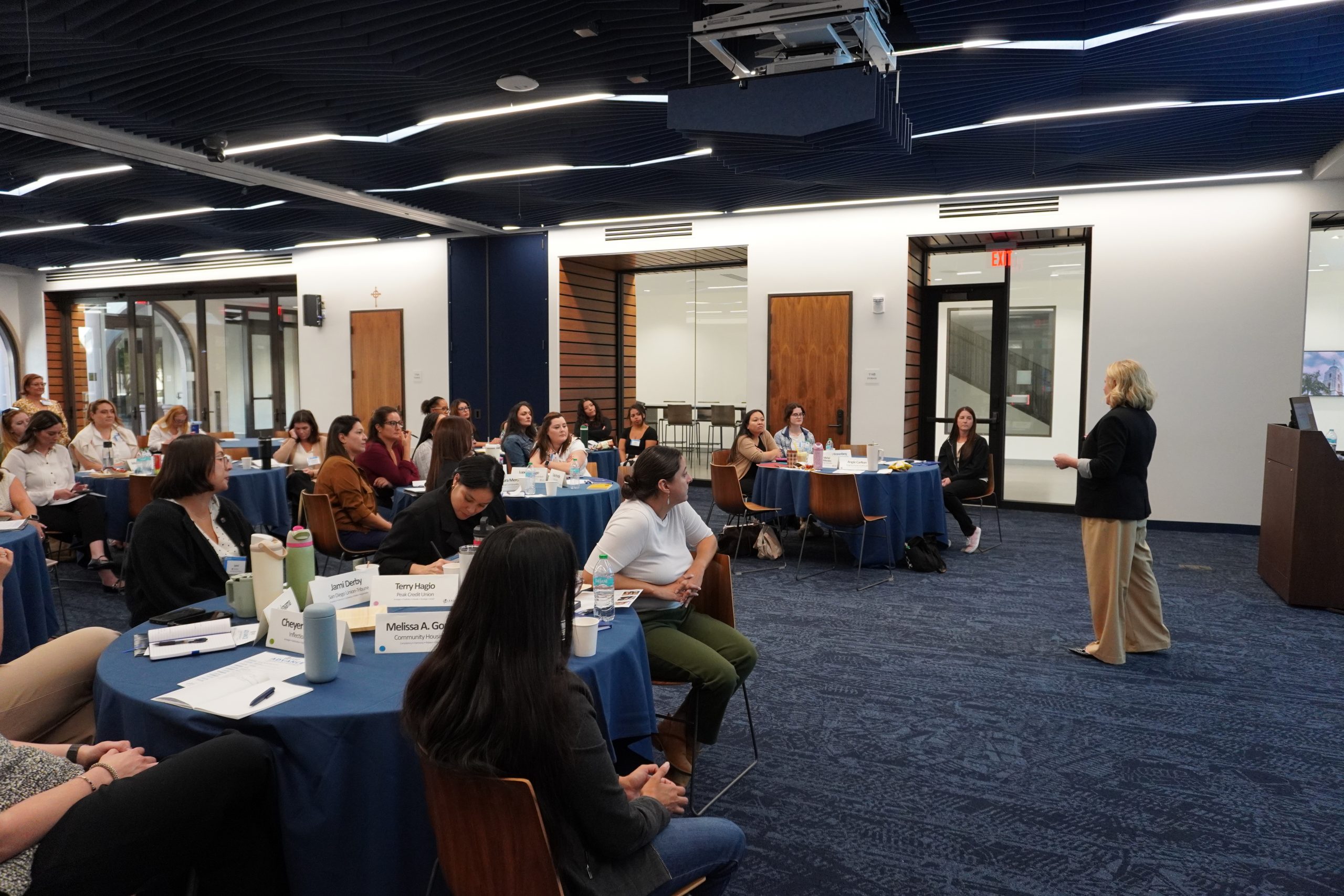
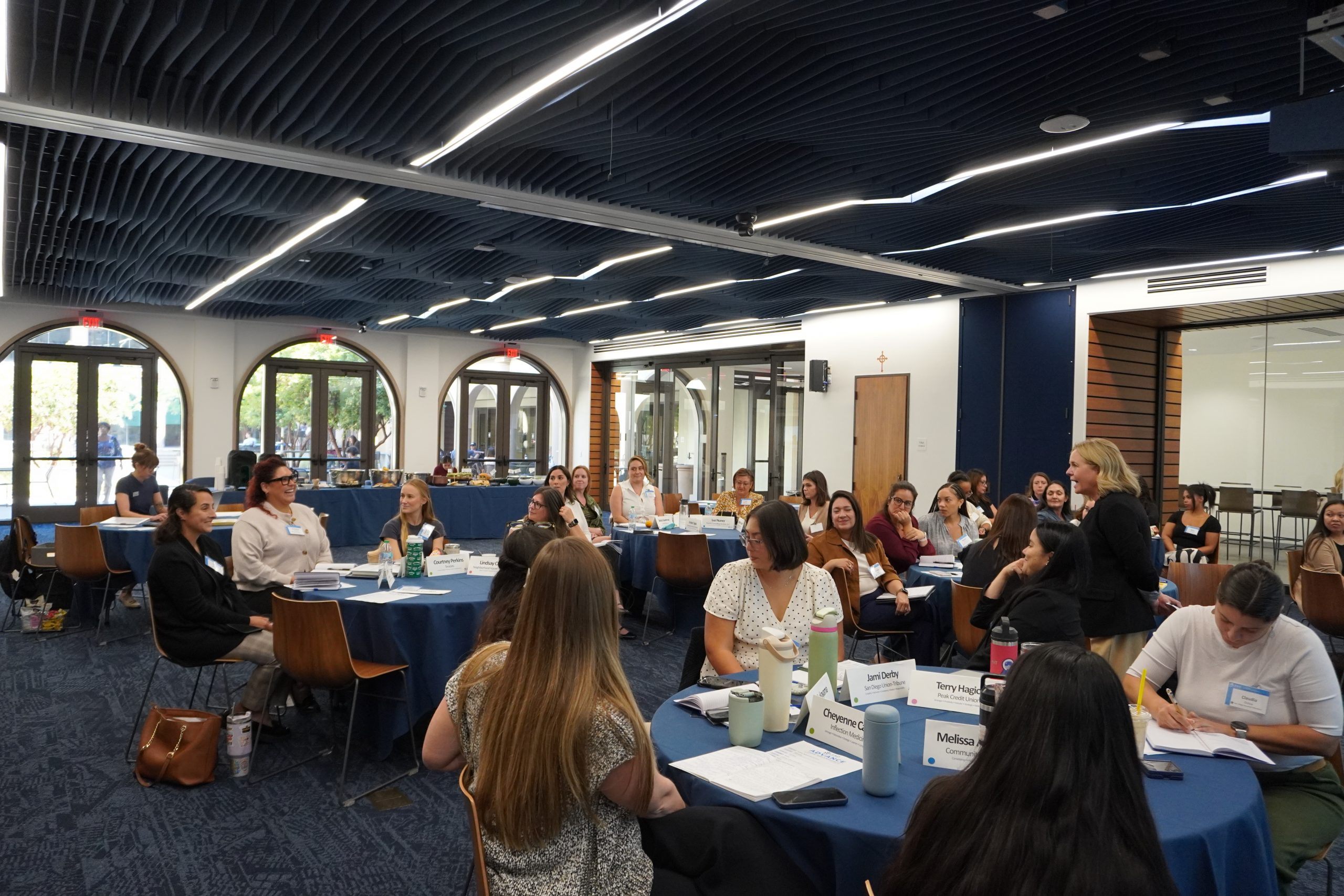
This month, the Advance cohort explored what it takes to lead a team well and how to build strong working relationships with the people above, beside, and below them. Three leaders shared the lessons that shaped their careers.
The day opened with Lesley Nishihira, Vice President, Planning & Development, Port of San Diego. Lesley described herself as someone who goes out and makes things happen, a mindset that has defined her work in planning and development. Over the course of her career, she has worked under many different CEOs and alongside many people who think and work differently than she does, which made knowing how to pivot essential. She shared that effective leaders learn to reach people in the way they will respond, whether that means adjusting their approach or moving from a gentle reminder to a firm one. She also encouraged the cohort to get comfortable sharing unpopular opinions, and spoke about how to hold your ground with professionalism. Her message centered on how you own your position and how you assert it.
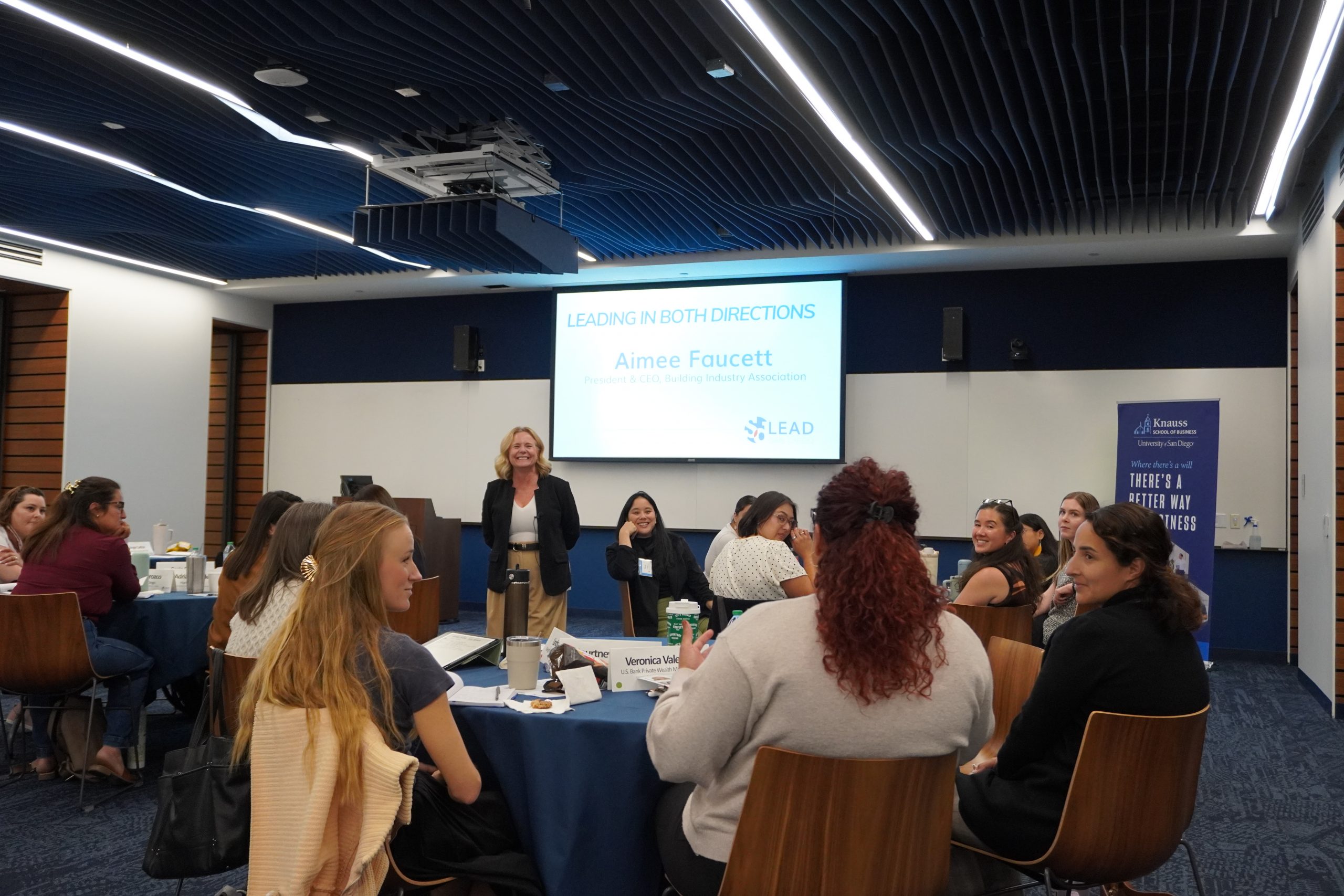
Next, the cohort heard from Aimee Faucett, President & CEO of the Building Industry Association. She focused on what to do when stepping in as a new manager: ask the right questions. She suggested asking team members what job they would be doing if not this one, what they do well, what they do not like doing, and what their actual skills are. People excel at what they are good at, not necessarily what they think they should like. She emphasized listening, inviting opinions, and creating an environment where people feel open to share. Emotional intelligence, she noted, may take more time at the start but saves time in the long run. She also cautioned against silos, encouraging leaders to keep teams and stakeholders connected and informed.
The second half of Aimee’s talk turned to managing up. She stressed that the relationship depends on trust, honesty, and the ability to be each other’s confidant. Delivery matters, and being a right hand to your boss means staying in tune with how they think. She noted that the approach can feel counterintuitive, and that it means stepping out from behind the curtain. Her guidance on bringing problems forward was clear: arrive with a solution, or be willing to say you do not know the answer and would like to work with the team to find one. In her previous role as COO of the San Diego Regional Chamber of Commerce, Aimee helped to develop the Advance program – so it was amazing to have her as a keynote speaker!
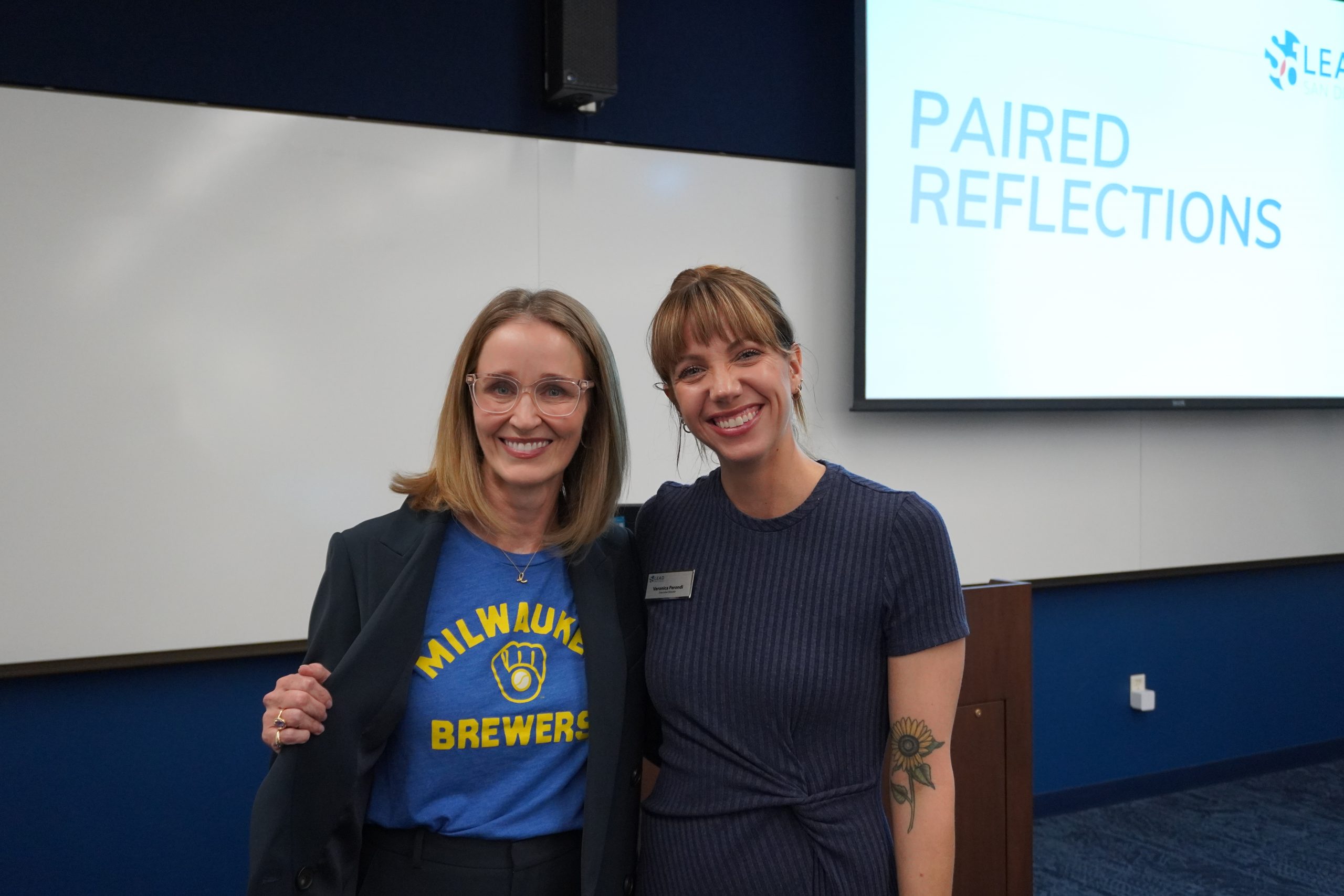
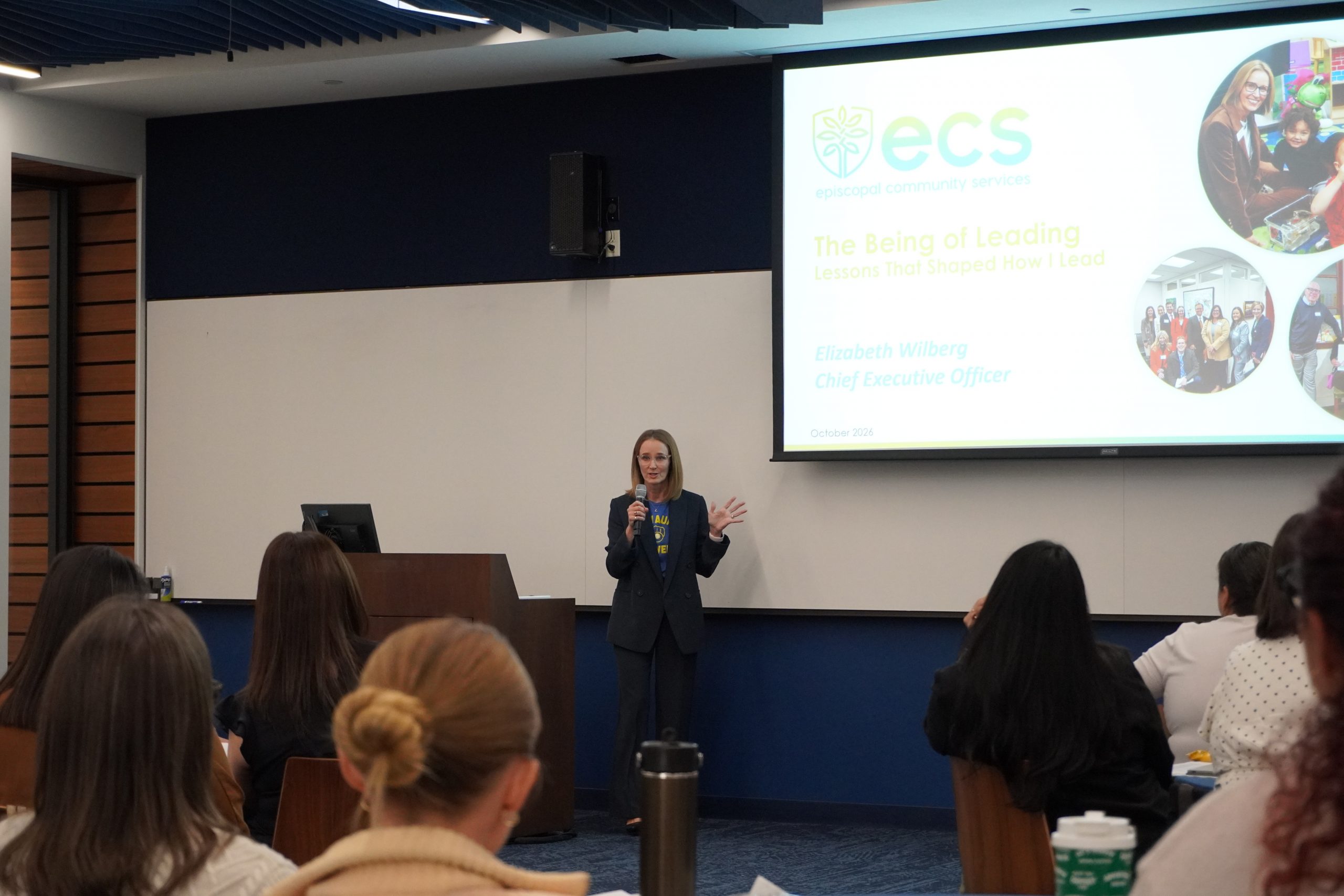
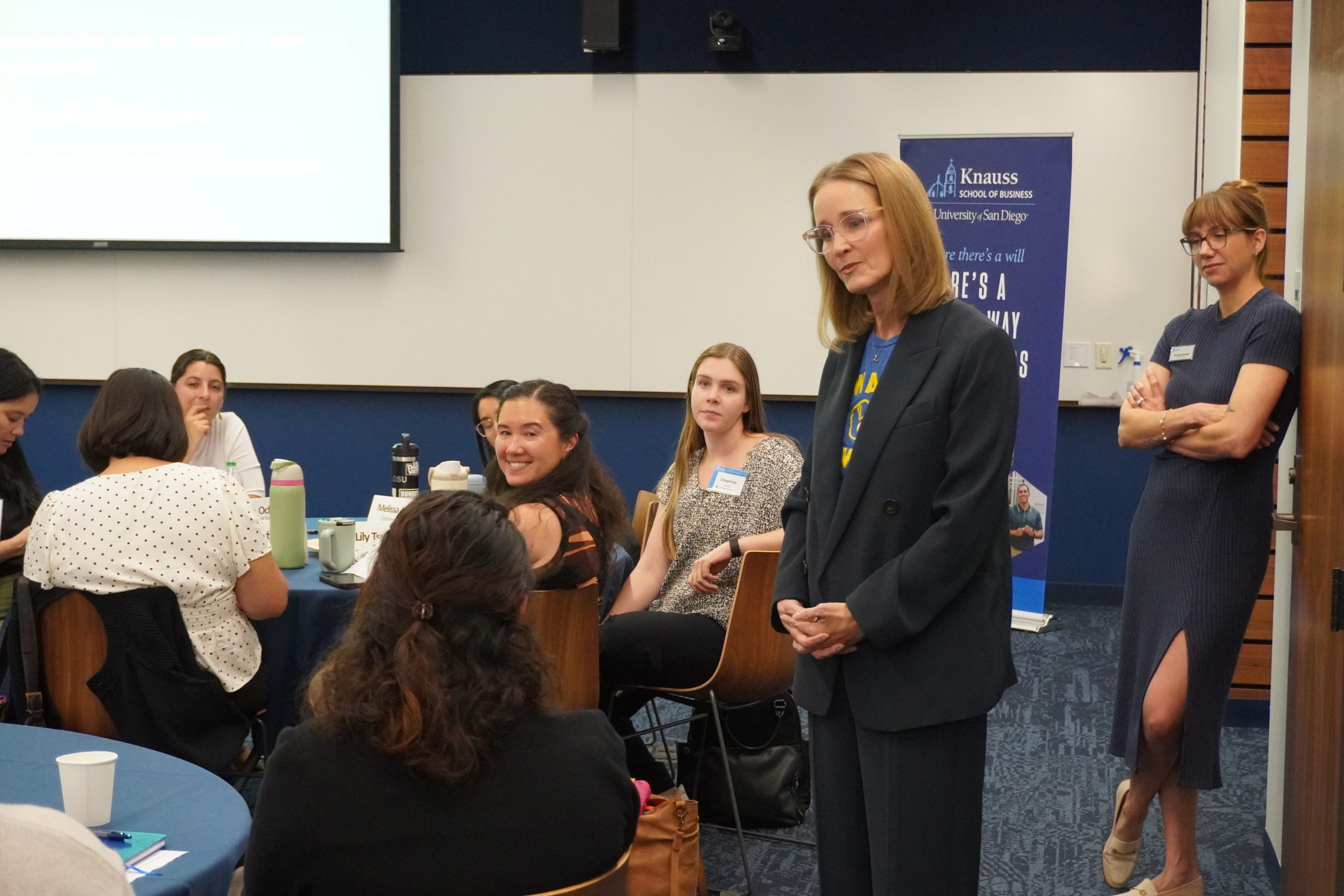
The day closed with Elizabeth Wilberg (13), CEO of Episcopal Community Services. Elizabeth shared her leadership story through three influences: the mentor, the catalyst, and the CEOs. Her mentor, Walt Ekard, helped her step into her potential, teaching her that she does not have to know everything or check every box, and that thinking big is always worth it. The catalyst challenged her way of being and led her to hold back, until a new job and a team that embraced her showed her the value of having the courage to be messy and empowering others to succeed. Finally, she encouraged the cohort to invest in their peer network first, then their boss, then their team. Peer relationships, she said, are her secret weapon, and it is never too late to build the support you need.