November 23, 2026
Our Cross-Border Region
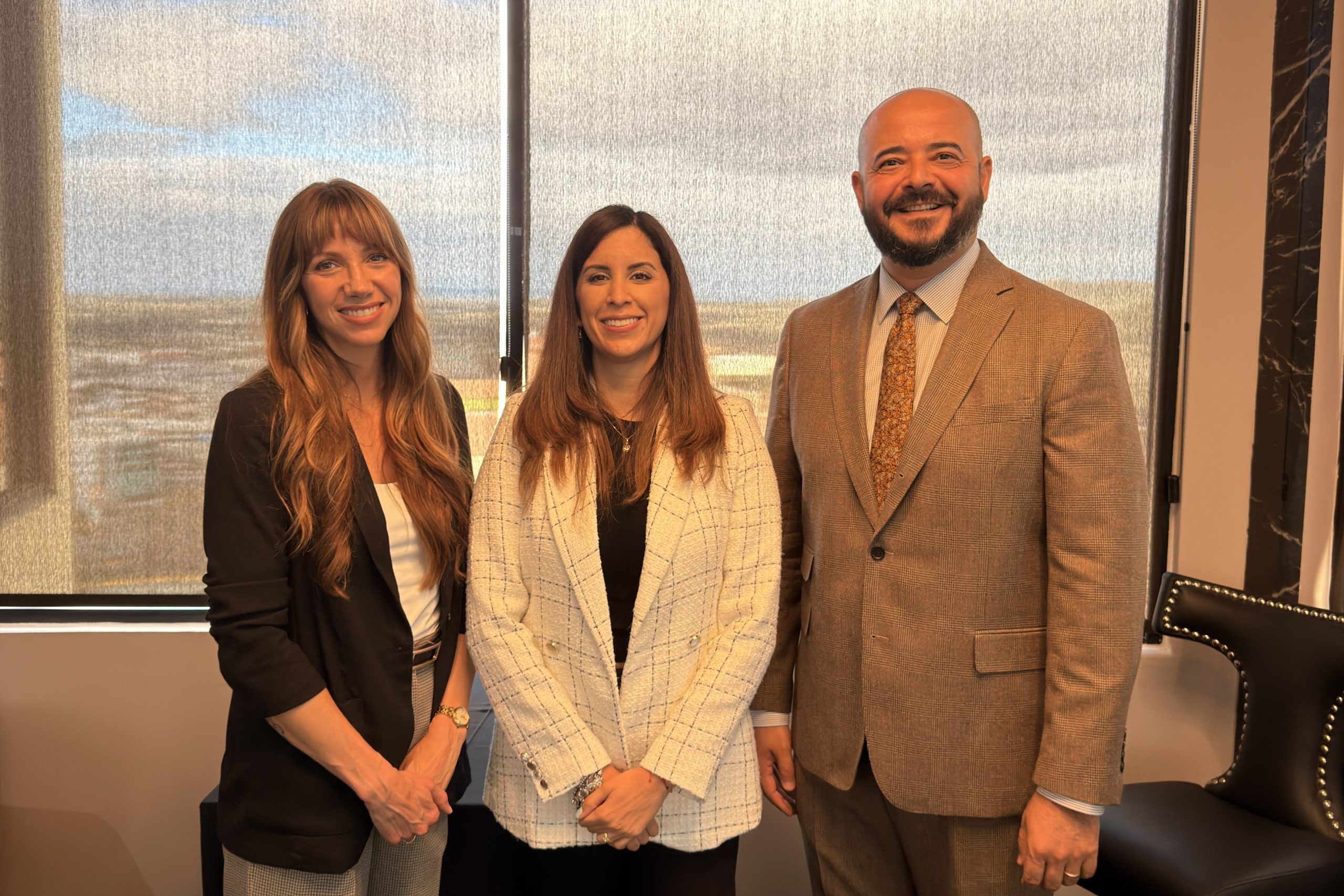
Seminar 3 of LEAD Impact took the cohort across the border to Tijuana for a firsthand look at our cross-border region, moderated throughout the day by Kenia Zamarripa (19), Vice President, International & Public Affairs at the San Diego Regional Chamber of Commerce. From the industries driving Tijuana’s economy to the environmental crisis affecting communities on both sides, the day showed how closely our two cities are connected.
The Impact program wouldn’t be possible without our amazing partners. Thank you to National University, our CEU provider, SDGE, our series sponsor, and Hunter Industries, our scholarship sponsor. We also thank Kenia Zamarripa (19) and Myriam Mendoza of the San Diego Regional Chamber of Commerce for moderating and supporting our cross-border seminar.
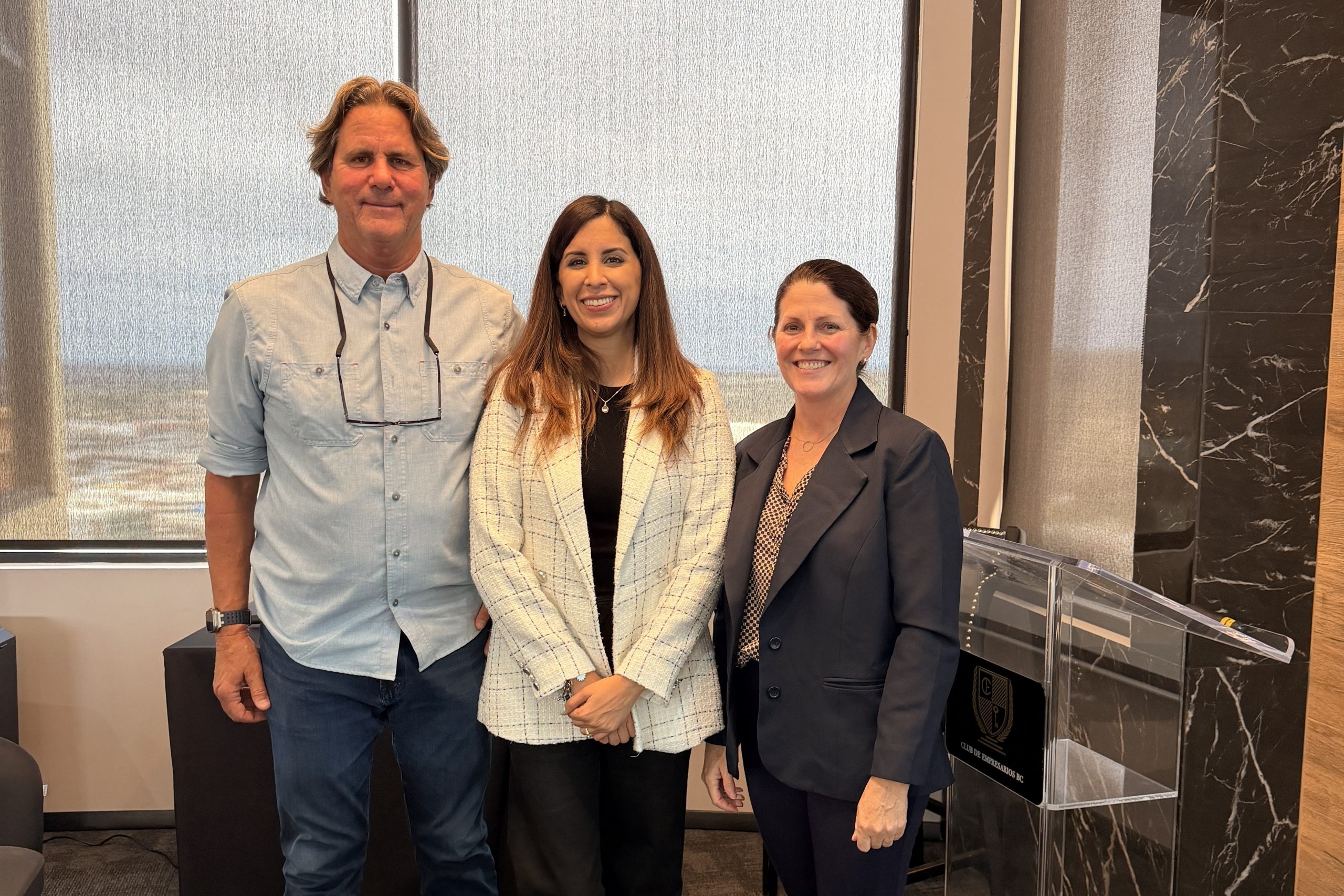
A little rain wasn’t enough to dampen the day, which began with an early arrival at the border crossing and a transition to Club de Empresarios. We kicked off with a warm welcome from LEAD Executive Director Veronica Perondi and Kenia, who walked the cohort through the agenda and class announcements.
Our first presentation featured Francisco Nevarez, CEO of Nezco Consulting, who gave the class a look at Tijuana’s top industries and how closely they are tied to San Diego’s economy. With half a million people crossing the border every day and 128 industrial parks, 65% of Baja’s activity is concentrated in Tijuana. The two cities work as partners: San Diego develops R&D and software, while Tijuana handles assembly, producing everything from trucks to medical devices. For every 2 jobs created in Tijuana, 1 is created in San Diego. Francisco also shared a fun fact that Chinese food is the number one cuisine in the Cali-Baja region. He spoke to the challenges that come with rapid growth, including water shut-offs and underground infrastructure that hasn’t kept pace with development above ground.
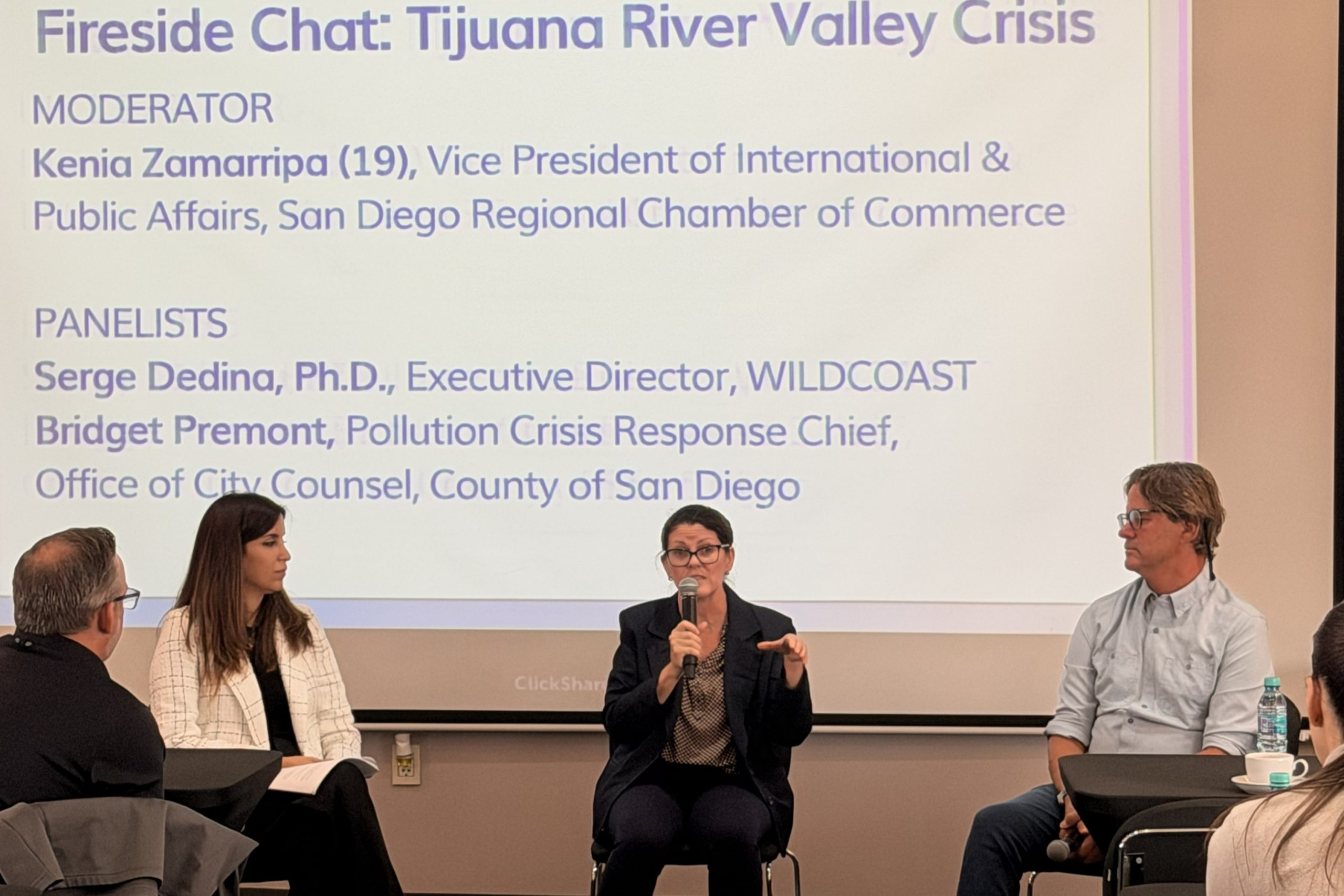
After a short break, Kenia gave an overview of the Tijuana River Valley crisis, then moderated a fireside chat with Serge Dedina, Ph.D., Executive Director of WILDCOAST, and Bridget Premont, Pollution Crisis Response Chief in the Office of County Counsel.
Serge spoke about Prop 4, which set aside $50 million for border water quality projects, including work related to sediment and erosion. He also shared how thousands of waste tires have been thrown into canyons and gullies, and how the trash boom and the border fence collect debris coming across the border.
Bridget, a career U.S. Foreign Service Officer who served at the U.S. Consulate in Tijuana, shared the county’s approach to the crisis. She explained that the county’s job is to rise and fill the gaps that state and federal governments cannot, including through Measure B, the half-cent county sales tax approved by voters earlier this month, which directs 22.5% of its revenue to Tijuana River solutions alongside healthcare, childcare, and public safety. She emphasized the importance of pursuing infrastructure at full speed, of engagement from the business community, and of our region being louder about the crisis.
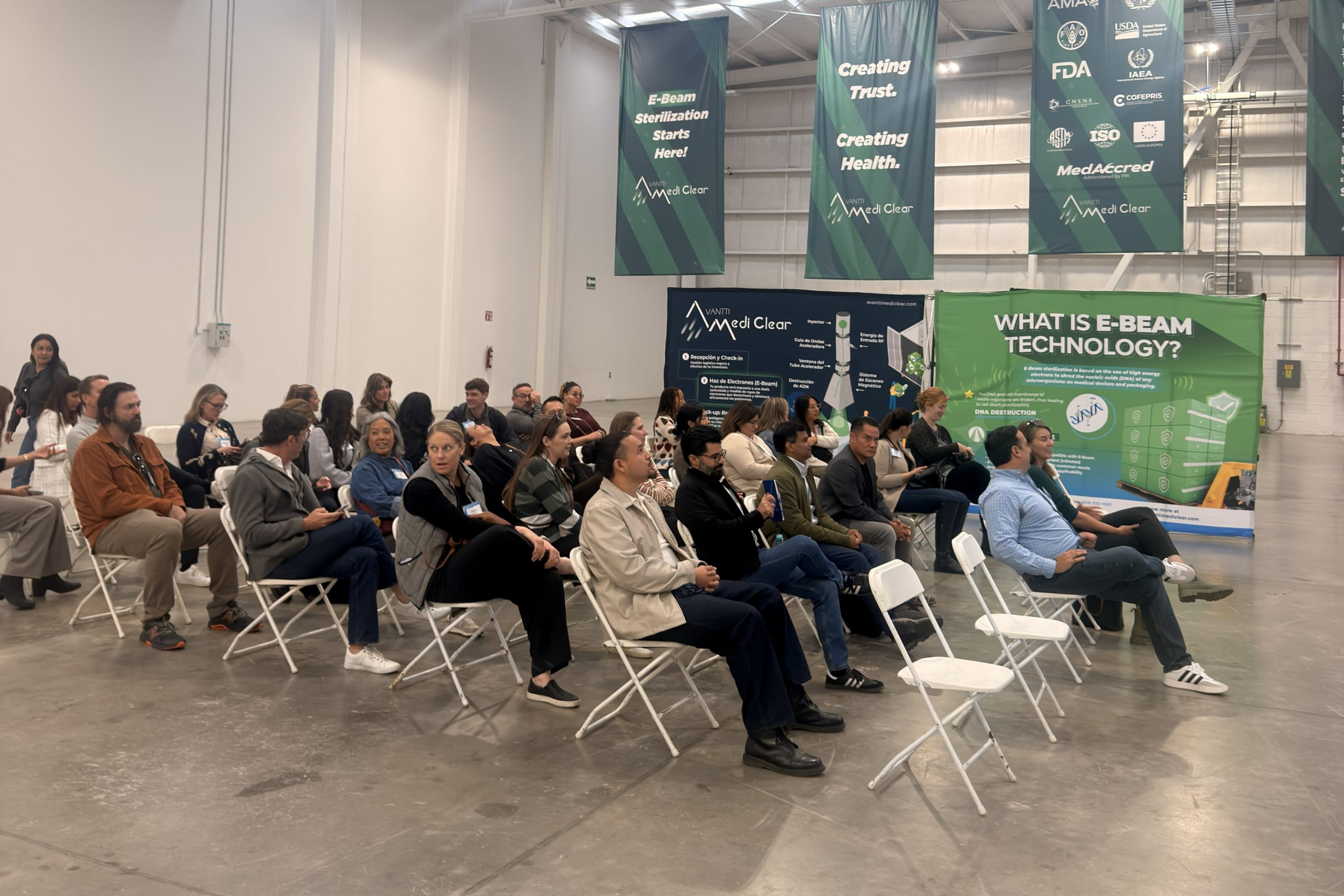
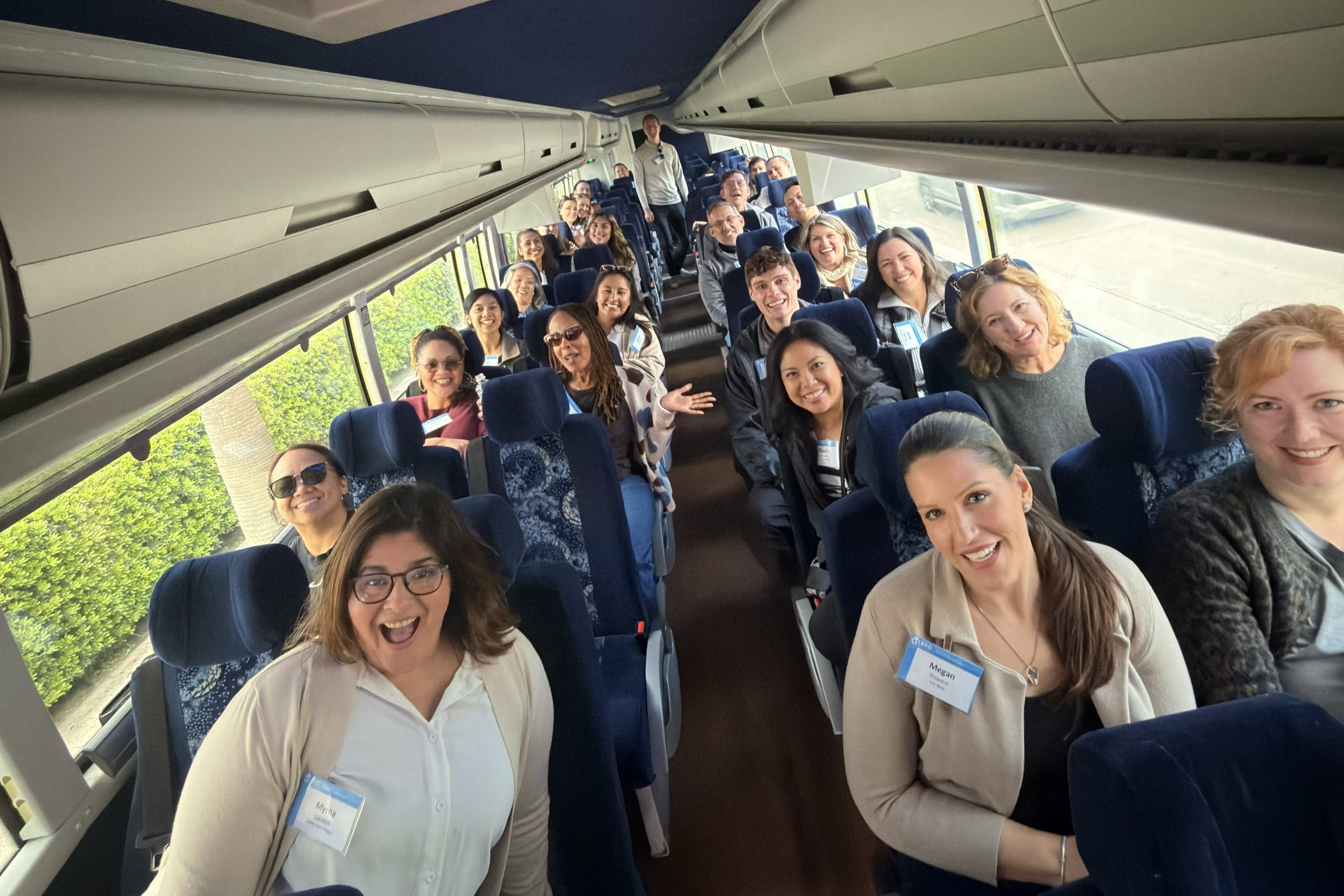
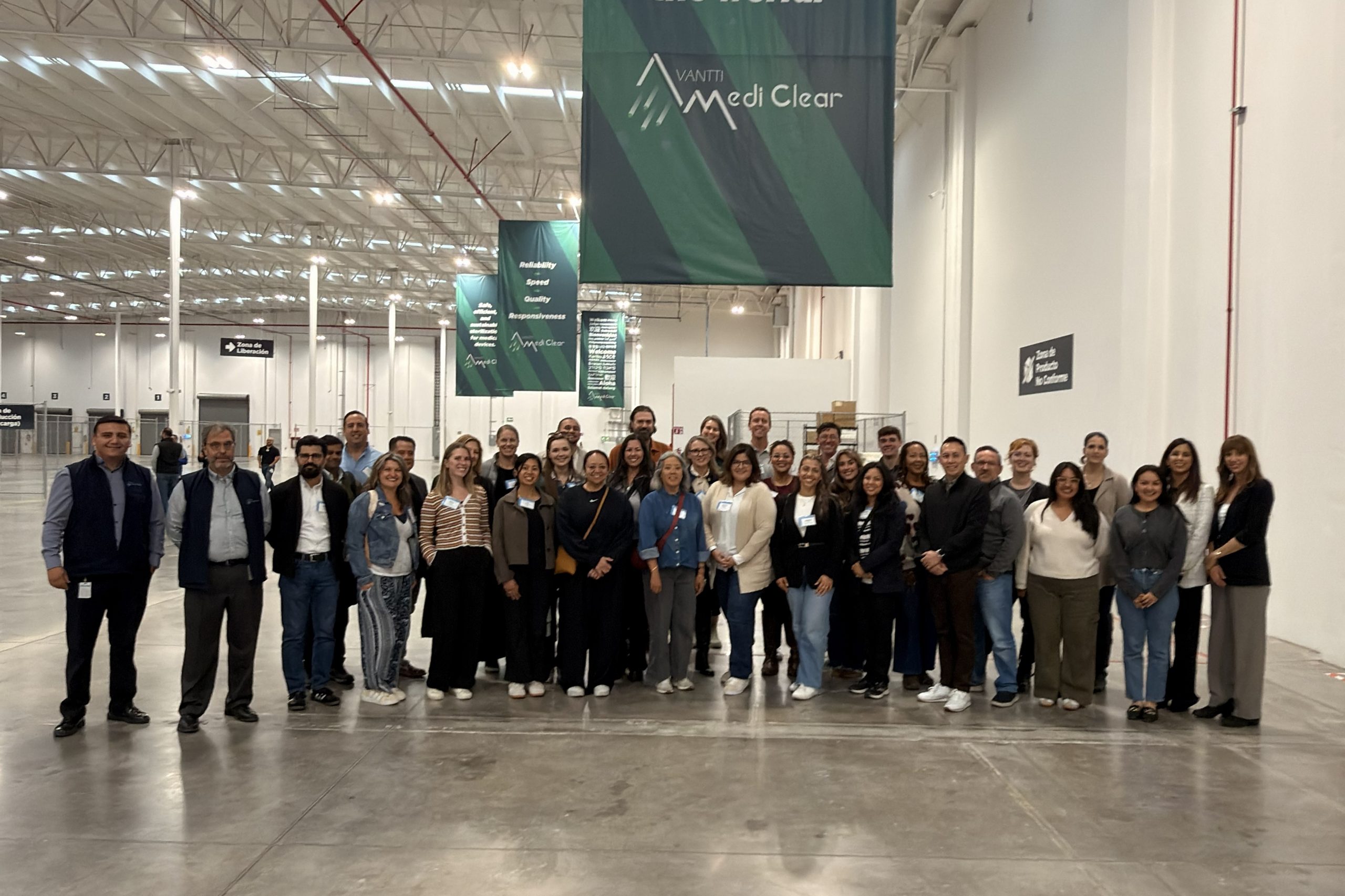
After lunch, the cohort boarded a bus to Avantti Medi Clear, a Tijuana company specializing in e-beam sterilization for medical device manufacturers. Fernando Luna, CEO, taught us how e-beam technology uses high-energy electrons to sterilize medical products, then showed us the process, the machine that does it, and the safety measures in place to keep their team safe. As one of the first companies in Mexico to offer this service, Avantti allows manufacturers in Baja California to sterilize products locally rather than shipping them to the U.S., bringing together the manufacturing partnership Francisco described earlier in the day.
We ended the day at Telefónica Gastro Park, a gastropub, for a happy hour before making our way back across the border.
Seminar 3 showed us that San Diego and Tijuana share one economy, one environment, and one future, and that solving our region’s biggest challenges takes collaboration across the border.