January 20, 2026



LEAD Impact explored the challenges and solutions shaping housing and homelessness in San Diego.
It is certainly no secret that housing is a top-of-mind issue for nearly all San Diegans. As of summer 2025, San Diego ranks among the top ten most expensive cities to live in, with the cost of housing as the primary driver.¹ High prices and limited inventory can push individuals and families into housing insecurity or homelessness. The LEAD Impact class was joined by numerous community leaders to unpack the complex challenges our region is facing and explore what is being done to address them at the Housing and Homelessness seminar.
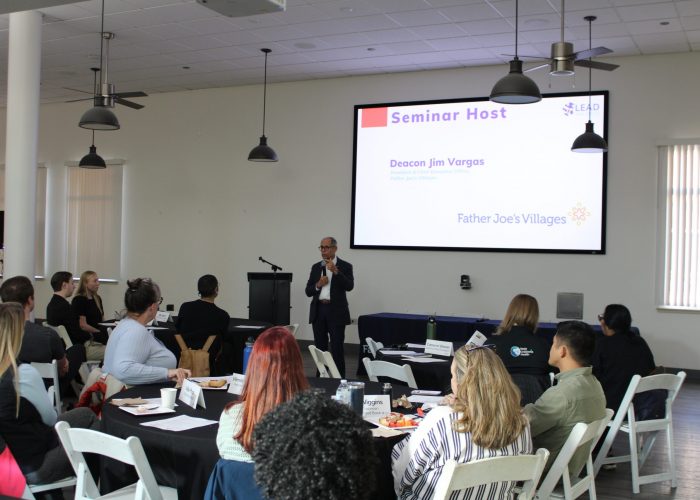
This month, Impact was hosted at Father Joe’s Villages. A staple in the community, Father Joe’s has supported San Diegans experiencing homelessness and poverty since 1950. The day kicked off with a welcome message from Deacon Jim Vargas, President and Chief Executive Officer of Father Joe’s Villages. The class appreciated the opportunity to hear directly from Deacon Vargas and learn more about his passion for the community they serve.
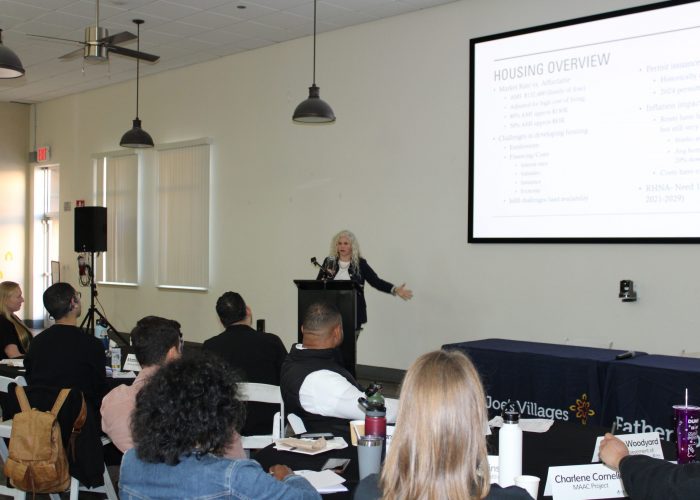
To help participants understand the state of development in San Diego, Kelly Modén joined the program. Kelly is the President and Chief Executive Officer of cREate development and serves as Chair of the City of San Diego Planning Commission. She walked the class through the differences between market-rate and affordable-rate properties, the challenges facing new development, and the impacts of inflation on rent and construction costs. While many factors have contributed to the housing crisis, the underlying issue is that housing supply has not kept pace with population growth, causing housing costs to rise far more quickly than wages. One key takeaway resonated clearly with the group: all housing is good housing. San Diego needs more units, and it needs them quickly. In fact, the region requires more than 171,000 new housing units between 2021 and 2029.²
With this foundation in place, the class transitioned into a panel discussion on affordable housing, presented by U.S. Bank. The discussion was moderated by Chuck Sinkey (19), Vice President and Relationship Manager for Affordable Housing at U.S. Bank. Panelists included Ricardo Flores, Executive Director of Local Initiatives Support Corporation San Diego; Dani Halton, Senior Project Manager at Wakeland Housing and Development Corporation; and Kwofi Reed (12), President and Chief Executive Officer of San Diego Habitat for Humanity. The term “affordable housing” is often tied to negative stereotypes, but what does it truly mean? As Ricardo Flores explained, it is housing that a family can afford without placing undue strain on their finances.
As the conversation unfolded, panelists explored the differences between housing that is affordable, versus affordable or subsidized housing, both of which are essential. Ricardo Flores and Kwofi Reed discussed programs available to support individuals and families in need of income-restricted housing or subsidies. Dani Halton walked the cohort through the process of developing an affordable housing community and explained why progress has been particularly slow in San Diego.
Lunch was especially meaningful, as it was prepared by Chef Helen Coyne and students from Father Joe’s Culinary Arts Program. The program is designed to prepare individuals for careers in the restaurant and hospitality industries through classroom instruction, mentorship, and hands-on training.³ While enjoying lunch, the class heard from Father Joe’s Chief Client Services Officer, Jesse Casement, who shared an overview of the extensive programs and facilities managed by the organization.⁴
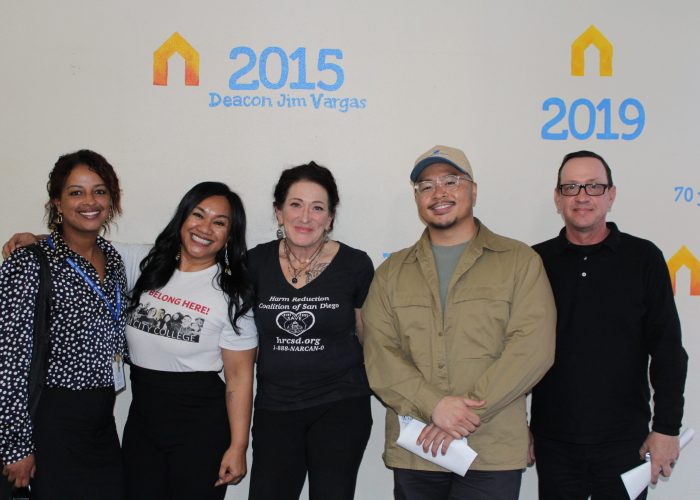
The afternoon panel focused on homelessness intervention and prevention. The discussion was moderated by Dr. Kirin Amiling Macapugay, a professor at San Diego City College who co-created the first educational and career pathway in homelessness prevention in the country.⁵ Dr. Macapugay was joined by panelists with diverse professional backgrounds: Jessie Angeles Jr., Care Management Supervisor at Healthcare In Action; Cory E., Mission Academy Advocate at San Diego Rescue Mission; Hanan Scrapper, Chief Operating Officer of San Diego Youth Services; and Tara Stamos-Buesig, Founder of the Harm Reduction Coalition of San Diego.
The panel addressed common stigmas surrounding individuals experiencing homelessness. One of the most persistent misconceptions is the belief that people do not want support or do not want to leave the streets. As Dr. Macapugay noted, “No one raises their hand in the second grade and says, ‘When I grow up, I want to be homeless.’” While there are hundreds of factors that can lead to homelessness, the vast majority of individuals desire the stability, safety, and dignity that a home and meaningful work can provide.
Given the scope of the crisis in our region, it can feel overwhelming to identify the right solution. The panelists shared several calls to action that can help create a ripple effect toward positive change:
- Support housing projects in your community. As emphasized earlier in the day, all housing is good housing.
- Learn about available behavioral health services and be willing to help connect people to them.
- Take action to support youth in the community. Without stable adult guidance, young people can become especially vulnerable.
- Lead with compassion and dignity. We are all human, and we are all San Diegans. Consider the impact of helping just one person in your neighborhood.
The Impact Housing and Homelessness seminar reinforced that while these challenges are complex, they are not insurmountable. Progress requires urgency, collaboration, and a shared commitment to viewing housing as both an economic necessity and a human right. By supporting thoughtful development, investing in proven programs, and leading with compassion, each of us can play a role in building a more equitable future for San Diego.
A special thank you to our partners at U.S. Bank for supporting this day, including guest facilitator Brittny H. Ferguson (25) and LEAD Board Chair, Enrique Meza (23).
Click here to learn more about LEAD Impact.
Follow LEAD on LinkedIn and Instagram to keep up with the cohort!
1 San Diego now ranked 9th most expensive city in the United States
2 SANDAG Regional Housing Needs Assessment
3 Father Joe’s Villages Helps Aspiring Chefs Find Culinary Careers
4 Father Joe’s Villages Community Impact Reports
5 SDCCD Program for Engaged Educational Resources